VoIP Phones

Choose your VoIP Phones
Showing 1 to 26 of 26 results.

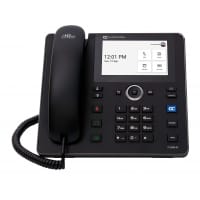
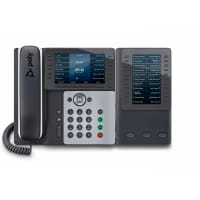
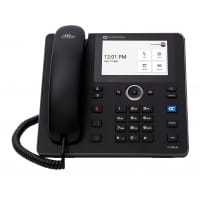
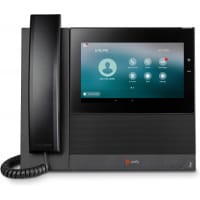
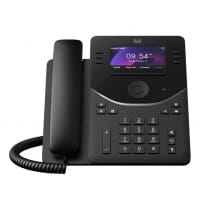
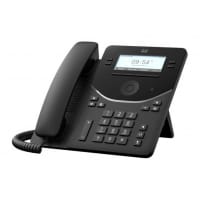
AudioCodes Teams C455HD IP-Phone PoE GbE black with integrated BT and Dual Band Wi-Fi
£289.50 ex vat
£347.40 inc vat
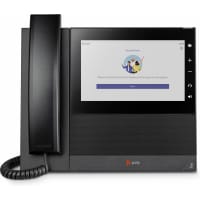
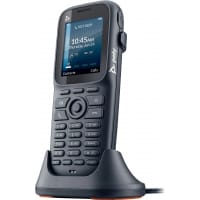
POLY Rove 20 Single Cell DECT 1880-1900 MHz B1 Base Station and 20 Phone Handset Kit
£234.90 ex vat
£281.88 inc vat
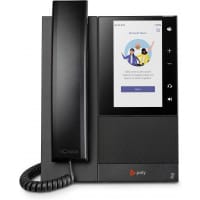
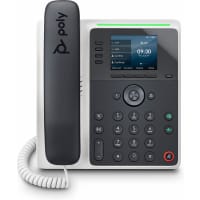
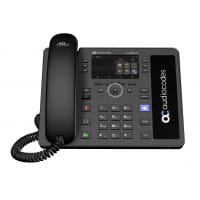
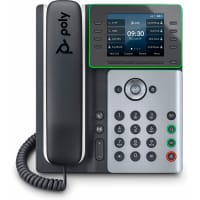

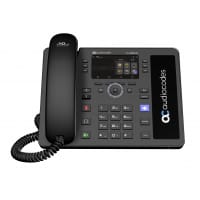
AudioCodes Teams C435HD-R IP-Phone PoE GbE with an external power supply black
£229.90 ex vat
£275.88 inc vat
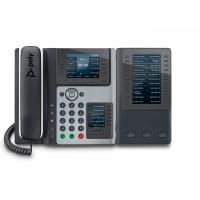
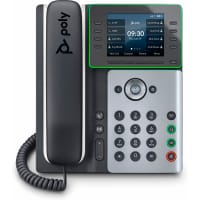
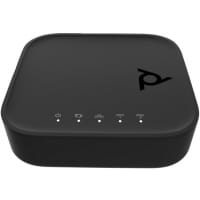
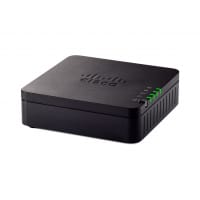
POLY ATA 402 2FXS Voice Port VoIP Adapter with Open SIP and Power Supply
£134.90 ex vat
£161.88 inc vat
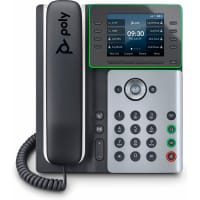
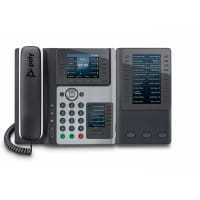
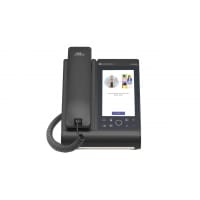
AudioCodes Teams C470HD Total Touch IP-Phone PoE GbE with integrated BT and Dual Band Wi-Fi
£269.50 ex vat
£323.40 inc vat
More About VoIP Phones
VoIP is an acronym for Voice Over Internet Protocol, which by itself means voice over the internet. It’s a technology that delivers voice communication and multimedia sessions (such as video) over Internet Protocol (IP) networks.
Initial VoIP service providers offer solutions that mirror the architecture of the legacy telephone network whereas second and third generation providers have either built closed networks for private user bases, offering free calls or have completely departed from the legacy telephone network architecture. VoIP solutions allow a dynamic interaction between users on any two domains on the Internet when a user wishes to place a call. To place calls via VoIP, a user will need a software based sip phone program OR a hardware based VoIP phone. Phone calls can be made to anywhere and to anyone: Both to VoIP numbers as well as PSTN phone numbers.
Businesses that choose to use VoIP systems instead of traditional copper-wire telephone systems experience many benefits such as reducing their monthly phone costs, increased mobility and productivity among others. In 2008 80% of all new PBX lines installed internationally were VoIP.
VoIP solutions aimed at businesses also include Unified Communications features which include web conferencing, presence, fax and voicemail to email, instant chat and more as well as smartphone clients so that employees can take their office extension with them wherever they go. The smartphone clients also use VoIP in order to make and receive calls from a user’s cell phone as if they were using their office extension number.